Wills, trusts and estates lawyers in Brooklyn and the Hudson Valley
Vasterling Roe is a law firm in Brooklyn Heights and Rhinebeck. Wills, trusts and estates are all we do. The map below shows who would inherit under New York’s default rules if you died without a will, using your own family. Then it shows which documents change that, and what they cost.
Five attorneys, two offices, one kind of work.
Planning for New York families since 1998, with more than 4,000 plans on file.
Everyone here works on wills, trusts and estates, and nothing else. The fees are flat and published. A first conversation is 30 minutes, at no charge.
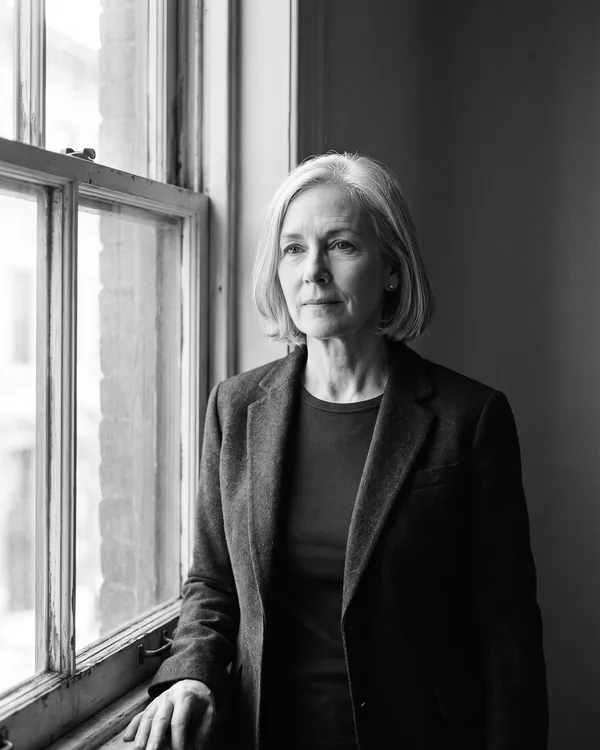
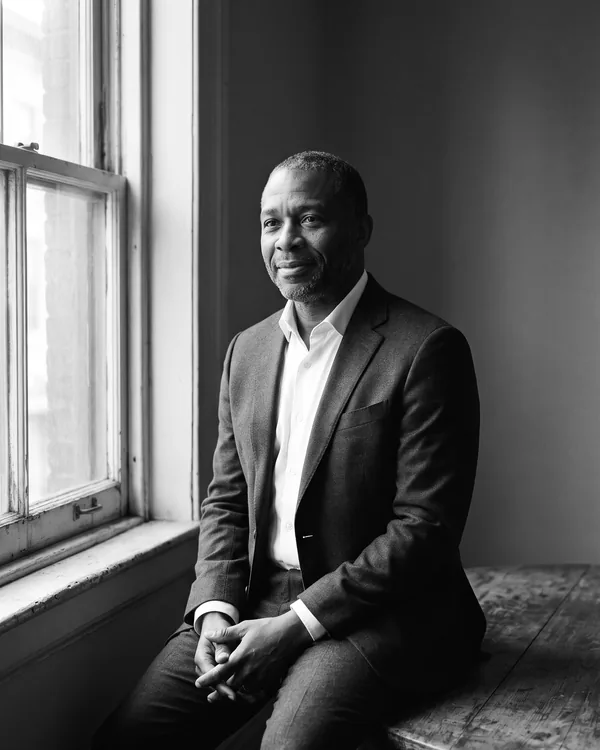 Emeric RoeManaging partner, Brooklyn Heights
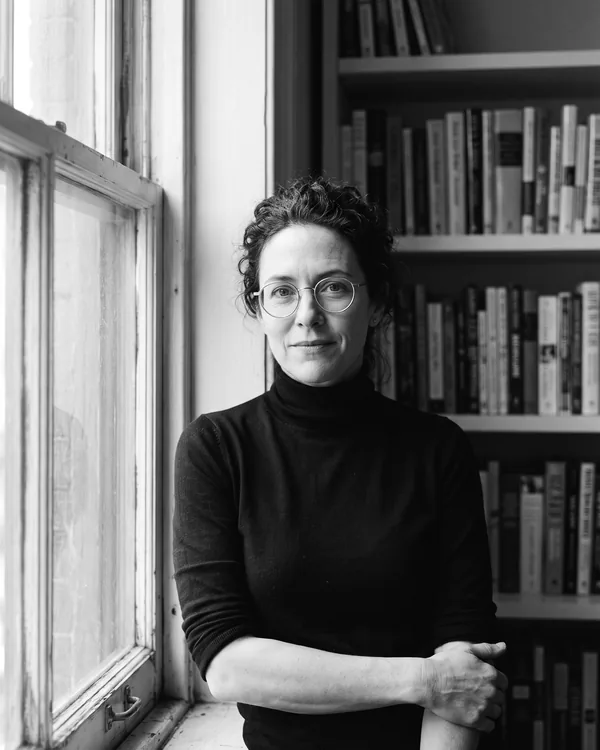 Ottoline CastellanePartner, trusts and tax, Brooklyn Heights
 Bram HalveringPartner, estates, Rhinebeck
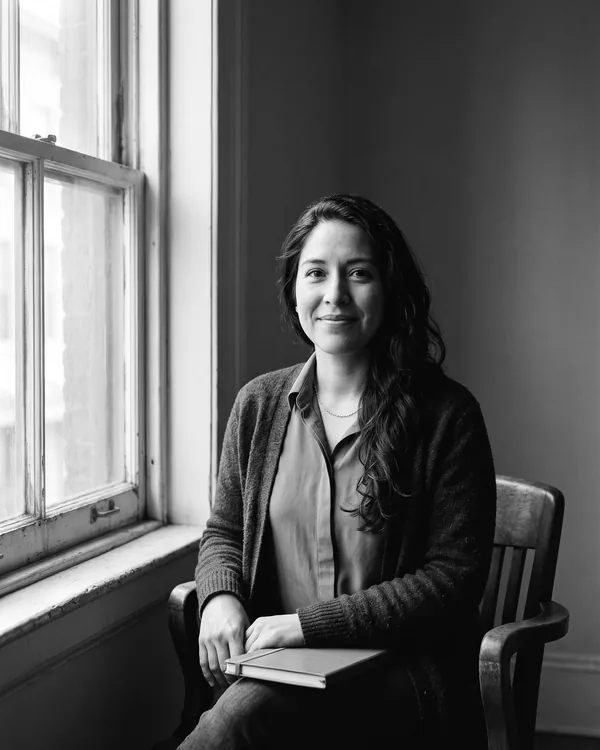 Soledad TennenholtSenior associate, Brooklyn Heights
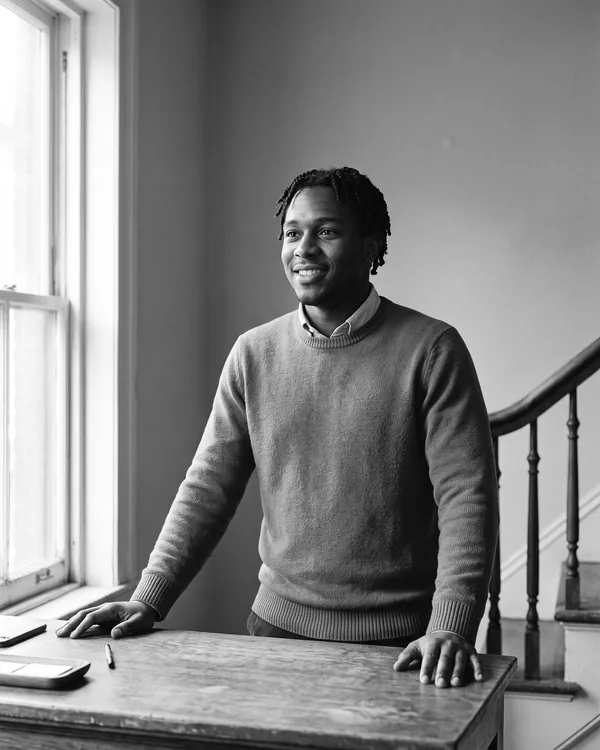 Kwabena LindClient coordinator, Brooklyn Heights
Our practice is limited to wills, trusts and estates in New York. Meet the attorneys
The family map
Who gets what in New York if you die without a will
New York rules. Last checked November 2026.
Sample family.
- DecedentYouThe person who died. On this map, you.
- Surviving spouseyour spouseYour husband or wife.$50,000 plus half of the rest$350K
- Issueyour daughter, 9Your descendants.An equal part of the other half$150K
- Issueyour son, 6Your descendants.An equal part of the other half$150K
- Parentyour motherYour mother or father.No share$0
- Siblingyour brotherYour brother or sister.No share$0
Your family, today, and about $650,000 to divide. Tap a name to change it.
Nothing you enter is saved or sent. It stays in this tab until you close it.
This is how things are today. So far, none of it is on paper.
Fits this family: the Family Plan, $2,900.
Two adults, two children under 18. Court filing fees and any recording fees are extra. You get those amounts in writing before you sign.
Demo figures. See all fees
Behind this result
New York. Sample family. Estimate. Default rules, EPTL 4-1.1. Last checked November 2026.
Married, two children under 18, one parent, one brother or sister, about $650,000.
This shows New York's default rules applied to a rough number. It's general information, and your real answer depends on how each thing you own is titled, so it isn't legal advice for your family. Using this map doesn't make us your lawyers.
The result as a table
| Person | Under the rules | About |
|---|---|---|
| Jordan (surviving spouse) | $50,000 plus half of the rest | $350,000 |
| Maya (issue) | An equal part of the other half | $150,000 |
| Theo (issue) | An equal part of the other half | $150,000 |
| June (parent) | No share. Parents inherit only when there is no spouse and no child. | $0 |
| Chris (sibling) | No share. Brothers and sisters inherit only when there is no spouse, child or parent. | $0 |
| Total | $650,000 |
What these words mean
- Decedent. The person who died. On this map, you.
- Surviving spouse. Your husband or wife.
- Issue. Your descendants.
- Parent. Your mother or father.
- Sibling. Your brother or sister.
What a court would now do
- In charge: nobody yet. Jordan is first in line, and has to ask the Surrogate's Court to be appointed. SCPA 1001
- The court's word for that person is administrator. The paper that proves it is called letters of administration. SCPA 1001
- A bond comes first by default. The court can waive it in some cases. SCPA 805
- Maya's and Theo's shares go to a guardian of the property the court appoints. The money sits in an account that needs a court order for each withdrawal. SCPA 1708, 2220
- At 18, each of them receives the whole balance. SCPA 1708
- June and Chris: no share. EPTL 4-1.1
How this is worked out
- Start with about $650,000, after debts, funeral costs and the cost of settling the estate.
- Your spouse receives the first $50,000. That leaves $600,000.
- Your spouse receives half of what is left: $300,000. Total for your spouse: $350,000.
- Your children share the other $300,000 equally: $150,000 each.
- Amounts are rounded, because the number you gave was rough.
What this leaves out
- Anything you own jointly with a right of survivorship. It goes to the other owner. A married couple's home in New York is usually owned this way. EPTL 6-2.2
- Life insurance, retirement accounts, pensions and annuities that name a person. They go to that person. EPTL 13-3.2
- Bank accounts marked "in trust for" someone. EPTL 7-5.2
- Anything already in a trust.
- Household goods, a car and a set amount of cash that go straight to a spouse before any split. EPTL 5-3.1
- Real estate in another state. That state's rules apply to it. EPTL 3-5.1
- Estate tax. It starts to matter at about $7.35 million in 2026. NY Tax Law 952
- A will that covers only part of what you own, a divorce or separation judgment, an adoption, or a child whose legal father hasn't been established. Each of these changes the answer, and each needs a conversation. EPTL 5-1.2, 4-1.2
Book a first conversation
- 30 minutes with one of our attorneys. No charge.
- In Brooklyn Heights, in Rhinebeck, or by video.
- They'll already have your map, so the conversation starts where this page stops.
- One conversation. You decide after.